
A first road trip without an experienced driver marks a significant milestone in a young person’s life. While independence is exciting, it also presents a huge risk to safety particularly on South Africa’s festive season roads with its notoriously high fatality rates.
For parents: set your teen for success
Start with a vehicle check-up: schedule a pre-trip inspection at your service centre. Additionally, ensure your teen understands basic maintenance including checking oil levels, tyre pressure themselves, and understanding what dashboard warning lights mean. Pack an emergency kit including jumper cables, basic tools, and a first-aid kit.
Create a realistic itinerary: identify rest stops every two hours and discuss backup routes in case of congestion. Communicate expectations about departure times and check-in schedules emphasising that just a few text updates can be life-changing should they encounter difficulty.
Practice financial responsibility: roadside assistance can be vital for anyone but especially for an inexperienced driver. Ensure they have additional funds for unexpected emergencies.
The non-negotiables: express zero tolerance for impaired driving, distracted driving, or overloading passengers. Frame these as safety essentials, not restrictions. Be brutally honest about the consequences with the help of real-life examples and other videos that visually emphasis the dangers.
For young drivers: real talk
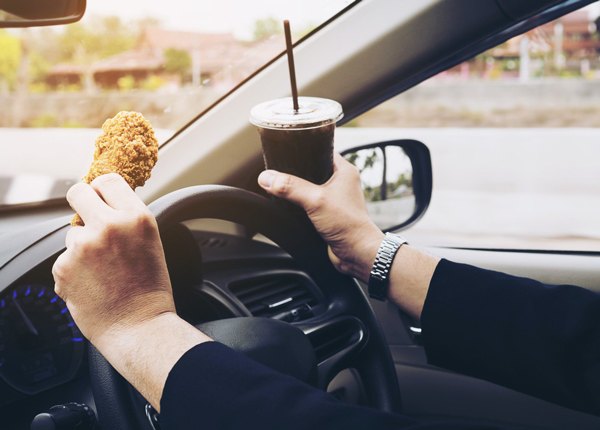
- Your phone is an enemy: put it out of the way or use Do Not Disturb mode. Texts can wait. If you need navigation, mount your phone before you start driving and set everything up first. No exceptions.
- Tiredness kills: if you are yawning, struggling to focus, or zoning out, pull over immediately. A 20-minute power nap at a safe rest stop, is infinitely better than falling asleep behind the wheel. Energy drinks are not substitutes for actual rest.
- Trust your gut: if weather conditions feel risky, especially with the current weather patterns, it probably is. The most experienced drivers can struggle with heavy downpours, and it makes journeys significantly more stressful. Find a safe place to stop and wait it out. If bad weather catches you off-guard, adjust driving to the conditions: slow down, and increase following distances.
- Stay above one-quarter: running out of fuel is easier than one would think on long stretches between rest stops. Fill up at half a tank, especially if you are unsure of the distance to the next garage.
- Beware of passengers: friends can be distracting. You are responsible for everyone in that car and cannot afford to be pressured into reckless decisions that can cost lives.
The freedom of the open road comes with responsibility. “Give young drivers the tools to stay safe on the road. If this is your first road trip, make smart decisions so that this is the first of many and not the last and only,” says Herbert.