
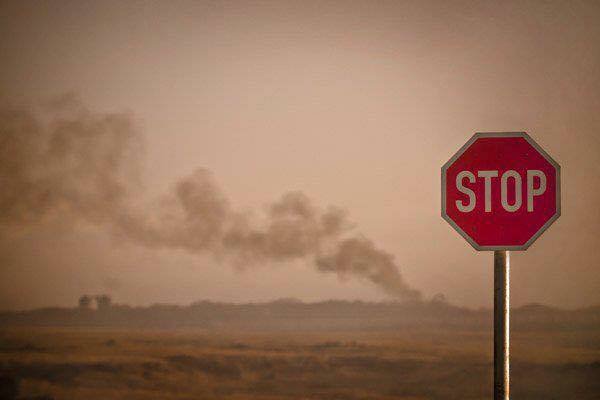
South Africa has seen enough unrest to know that for motorists, it spills onto the roads whether one is involved or not. With possible widespread civil unrest expected on 30 June, there is one primary message for drivers: if you can, stay off the roads.
The CEO of MasterDrive, Eugene Herbert, says the cause of the unrest is irrelevant in a high-risk scenario. “People gathering alongside the road is unpredictable and danger can escalate quickly. The safest decision is to avoid it entirely and MasterDrive encourages drivers and employers to plan for it.
“Unfortunately, however, this is not always possible for everyone. For these drivers, preparation is everything. Start today by checking news outlets, social media, and community platforms for updates on hotspots. Additionally, ensure your vehicle is in good condition and you have enough fuel to avoid unnecessary stops,” says Herbert.
1. Start before you leave
Use channels such as Arrive Alive, traffic feeds on X, and WhatsApp community groups. “Apps like Waze and Google Maps can also flag road closures and incidents in real time.
“If your primary route passes through hotspots or densely populated areas, plan alternatives before leaving. Additionally, have at least one alternative route in mind even if you do not expect unrest on your route,” says Herbert.
2. Read the road
By the time a situation turns dangerous, options narrow quickly. “Drive scanning twelve seconds ahead of your vehicle. This gives you time to make calm decisions rather than reactive ones.
“Read the signs early. Groups gathering on pavements, overpasses or bridges require reassessing your route. If things look uncertain, do not push through hoping it resolves. The ability to easily turn around will save more than time should conflict erupt,” says Herbert.
3. When caught in the middle
Should you find yourself stopped or slowed by unrest, increase following distances. “Keep space between yourself and the vehicle ahead so you can manoeuvre around and exit as quickly as possible. Identify exit options well ahead of time.
“Stay in the vehicle. It is a significant physical barrier and is most often the safest place. Don’t engage with crowds and risk escalating the situation. If authorities are present, follow their directions. In an escalating situation your objective is simple: leave as calmly as you can,” says Herbert.
4. Reporting matters
It is essential to report what you witness on multiple platforms. “This is not just to authorities but also to channels like Arrive Alive or on Waze and Google Maps. These help identify hazards in real time and update the information available to other drivers.
“Always report incidents to local traffic departments and metro police on their emergency lines. Reports shape how resources are deployed. Reporting what you see, even something as early as a gathering crowd, could give other drivers additional time to change routes,” says Herbert.
The situation on 30 June may pass without serious incident, or it may not. Either way, the approach remains the same: stay informed, stay calm, and where possible, stay home.
Guidance from the Road Freight Association for safe driving on days of protest actionhttps://t.co/MIrQKUR2vB#ArriveAlive #Protests #RFA pic.twitter.com/qkv48sO3yM
– Arrive Alive (@_ArriveAlive) June 27, 2026
Safety and Safe Driving in Areas of Protest and Public Violence https://t.co/VfvUTGHWQW #ArriveAlive #Crime #Protests@SAPoliceService @GovernmentZA @TrafficRTMC@Dotransport https://t.co/flg67cbjIC pic.twitter.com/GOJTqmiA5C
– Arrive Alive (@_ArriveAlive) June 26, 2026