
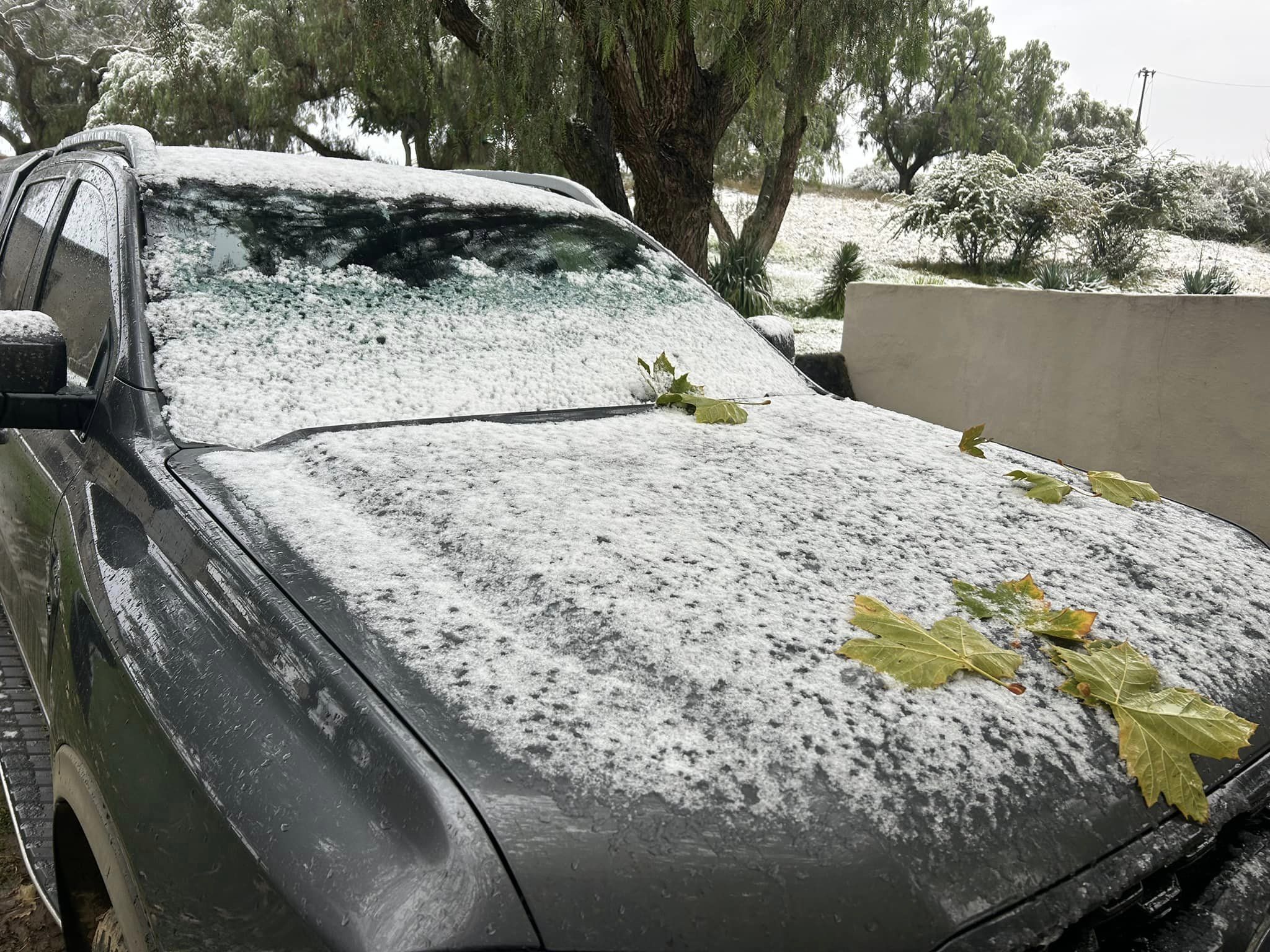
As South African families prepare for winter, Auto&General is warning motorists that colder temperatures typically lead to a sharp rise in preventable vehicle breakdowns, many of which could be avoided with a few simple checks before hitting the road.
Winter-related callouts commonly involve flat batteries, tyre failures, overheating caused by coolant issues, and vehicles that become unsafe to drive in wet or icy conditions. Beyond the inconvenience and safety risks, unexpected breakdowns and accidents can also result in costly repairs and unnecessary car insurance claims.
“Most winter breakdowns are preventable,” says Johanni Jennings Head of Marketing at Auto&General “As temperatures drop overnight, weak batteries struggle to hold their charge, tyre pressure changes significantly, and neglected cooling systems are put under additional strain. Unfortunately, many motorists only discover these issues once they’re stranded on the side of the road.”
Jennings also adds “Simple maintenance checks before your journey can not only improve road safety, but may also help motorists avoid unnecessary car insurance claims and travel disruptions during winter.”
Why winter adds extra strain to vehicles
Cold weather can dramatically affect vehicle performance, especially during early morning departures when temperatures are at their lowest. Overnight temperature drops place additional strain on several key vehicle components, often exposing underlying maintenance issues that may not be noticeable during warmer months.
“A vehicle may appear perfectly fine during everyday commuting, but longer trips often place additional pressure on critical components,” says Jennings. “Winter is usually when neglected maintenance issues begin to surface.”
Battery failures increase in colder weather
Vehicle batteries naturally lose efficiency in cold conditions, particularly older batteries nearing the end of their lifespan. If a battery is already weak, a cold morning can be enough to prevent the vehicle from starting altogether.
Jennings advises motorists to:
- Test battery health before long-distance travel
- Check for corrosion on battery terminals
- Replace batteries showing signs of weakness or slow ignition
Coolant levels become critical
Many drivers mistakenly believe coolant is only important in summer. In reality, coolant helps regulate engine temperature year-round and prevents damage caused by freezing temperatures in certain regions. Low coolant levels or incorrect coolant mixtures can lead to overheating, engine damage, or breakdowns during long-distance travel.
Motorists should:
- Check coolant levels before departure
- Never top up with water alone
- Inspect for leaks or warning lights
Tyres are a major winter safety concern
Tyre grip becomes especially important on wet roads, frosty surfaces, or during heavy mist conditions common in winter mornings. Worn tyres significantly increase stopping distances and reduce traction, particularly during emergency braking.
Jennings recommends:
- Checking tyre tread depth and overall condition
- Ensuring tyres are correctly inflated
- Inspecting for cracks, bulges, or uneven wear
- Remembering that colder temperatures can reduce tyre pressure overnight
Winter-proofing could also affect insurance claims
Vehicle maintenance is not only a safety issue, but can also influence the outcome of certain car insurance claims. Jennings continues: “Neglecting basic maintenance can create avoidable risks. If a vehicle is found to be unroadworthy, for example, because of bald tyres or ignored mechanical issues, it may complicate or impact a claim assessment process.”
Motorists are encouraged to:
- Ensure vehicles are roadworthy before travelling
- Address warning lights immediately
- Keep up with scheduled servicing
- Confirm emergency roadside assistance details before departure
Winter vehicle maintenance and insurance go hand in hand
Winter vehicle preparation is not only essential for road safety, it also plays an important role for insurance claims and roadside assistance support.
Mechanical failures caused by poor maintenance, such as worn tyres, neglected batteries, or ignored warning lights, can increase the likelihood of accidents and roadside emergencies during winter travel periods. In some cases, vehicles found to be unroadworthy may complicate the claims assessment process.
“Insurance is there to protect motorists against unexpected events, but drivers also have a responsibility to ensure their vehicles are properly maintained and safe to drive,” says Jennings. “Issues such as bald tyres, defective lights or overdue maintenance can create avoidable risks on the road, particularly during winter when driving conditions are already more challenging.”
Auto&General encourages motorists to review their insurance and roadside assistance benefits before travelling, ensure emergency contact details are up to date, and understand what support is available should they experience a breakdown or accident while away from home.
Essential winter road trip checklist
Before travelling this winter, Auto&General urges motorists to carry out a full vehicle safety check to reduce the risk of breakdowns and improve road safety during colder driving conditions.
Key areas to inspect include:
- Battery condition
- Coolant and fluid levels
- Tyre tread and pressure
- Windscreen wipers
- Headlights and brake lights
- Spare wheel and jack
- Emergency contact numbers
- Fuel levels before long-distance routes
“Preventative maintenance remains one of the simplest and most effective ways motorists can reduce the risk of unexpected breakdowns during winter,” adds Jennings. “Taking the time to inspect a vehicle before setting off can help improve reliability and ensure safer journeys for everyone on the road.”
As South African families prepare for winter, Auto&General is warning motorists that colder temperatures typically lead to a sharp rise in preventable vehicle breakdowns, many of which could be avoided with a few simple checks before hitting the road.
Winter-related callouts commonly involve flat batteries, tyre failures, overheating caused by coolant issues, and vehicles that become unsafe to drive in wet or icy conditions. Beyond the inconvenience and safety risks, unexpected breakdowns and accidents can also result in costly repairs and unnecessary car insurance claims.
“Most winter breakdowns are preventable,” says Johanni Jennings Head of Marketing at Auto&General “As temperatures drop overnight, weak batteries struggle to hold their charge, tyre pressure changes significantly, and neglected cooling systems are put under additional strain. Unfortunately, many motorists only discover these issues once they’re stranded on the side of the road.”
Jennings also adds “Simple maintenance checks before your journey can not only improve road safety, but may also help motorists avoid unnecessary car insurance claims and travel disruptions during winter.”
Why winter adds extra strain to vehicles
Cold weather can dramatically affect vehicle performance, especially during early morning departures when temperatures are at their lowest. Overnight temperature drops place additional strain on several key vehicle components, often exposing underlying maintenance issues that may not be noticeable during warmer months.
“A vehicle may appear perfectly fine during everyday commuting, but longer trips often place additional pressure on critical components,” says Jennings. “Winter is usually when neglected maintenance issues begin to surface.”
Battery failures increase in colder weather
Vehicle batteries naturally lose efficiency in cold conditions, particularly older batteries nearing the end of their lifespan. If a battery is already weak, a cold morning can be enough to prevent the vehicle from starting altogether.
Jennings advises motorists to:
- Test battery health before long-distance travel
- Check for corrosion on battery terminals
- Replace batteries showing signs of weakness or slow ignition
Coolant levels become critical
Many drivers mistakenly believe coolant is only important in summer. In reality, coolant helps regulate engine temperature year-round and prevents damage caused by freezing temperatures in certain regions. Low coolant levels or incorrect coolant mixtures can lead to overheating, engine damage, or breakdowns during long-distance travel.
Motorists should:
- Check coolant levels before departure
- Never top up with water alone
- Inspect for leaks or warning lights
Tyres are a major winter safety concern
Tyre grip becomes especially important on wet roads, frosty surfaces, or during heavy mist conditions common in winter mornings. Worn tyres significantly increase stopping distances and reduce traction, particularly during emergency braking.
Jennings recommends:
- Checking tyre tread depth and overall condition
- Ensuring tyres are correctly inflated
- Inspecting for cracks, bulges, or uneven wear
- Remembering that colder temperatures can reduce tyre pressure overnight
Winter-proofing could also affect insurance claims
Vehicle maintenance is not only a safety issue, but can also influence the outcome of certain car insurance claims. Jennings continues: “Neglecting basic maintenance can create avoidable risks. If a vehicle is found to be unroadworthy, for example, because of bald tyres or ignored mechanical issues, it may complicate or impact a claim assessment process.”
Motorists are encouraged to:
- Ensure vehicles are roadworthy before travelling
- Address warning lights immediately
- Keep up with scheduled servicing
- Confirm emergency roadside assistance details before departure
Winter vehicle maintenance and insurance go hand in hand
Winter vehicle preparation is not only essential for road safety, it also plays an important role for insurance claims and roadside assistance support.
Mechanical failures caused by poor maintenance, such as worn tyres, neglected batteries, or ignored warning lights, can increase the likelihood of accidents and roadside emergencies during winter travel periods. In some cases, vehicles found to be unroadworthy may complicate the claims assessment process.
“Insurance is there to protect motorists against unexpected events, but drivers also have a responsibility to ensure their vehicles are properly maintained and safe to drive,” says Jennings. “Issues such as bald tyres, defective lights or overdue maintenance can create avoidable risks on the road, particularly during winter when driving conditions are already more challenging.”
Auto&General encourages motorists to review their insurance and roadside assistance benefits before travelling, ensure emergency contact details are up to date, and understand what support is available should they experience a breakdown or accident while away from home.
Essential winter road trip checklist
Before travelling this winter, Auto&General urges motorists to carry out a full vehicle safety check to reduce the risk of breakdowns and improve road safety during colder driving conditions.
Key areas to inspect include:
- Battery condition
- Coolant and fluid levels
- Tyre tread and pressure
- Windscreen wipers
- Headlights and brake lights
- Spare wheel and jack
- Emergency contact numbers
- Fuel levels before long-distance routes
“Preventative maintenance remains one of the simplest and most effective ways motorists can reduce the risk of unexpected breakdowns during winter,” adds Jennings. “Taking the time to inspect a vehicle before setting off can help improve reliability and ensure safer journeys for everyone on the road.”
Advice on Safe Driving in Winter https://t.co/ZxhVyChbOG #ArriveAlive #RoadSafety #WinterDriving pic.twitter.com/I6y9o4BsYC
– Arrive Alive (@_ArriveAlive) May 23, 2026